Limited Time. Receive Free After-Care for All Camps. Code FREEAFTERCARE.
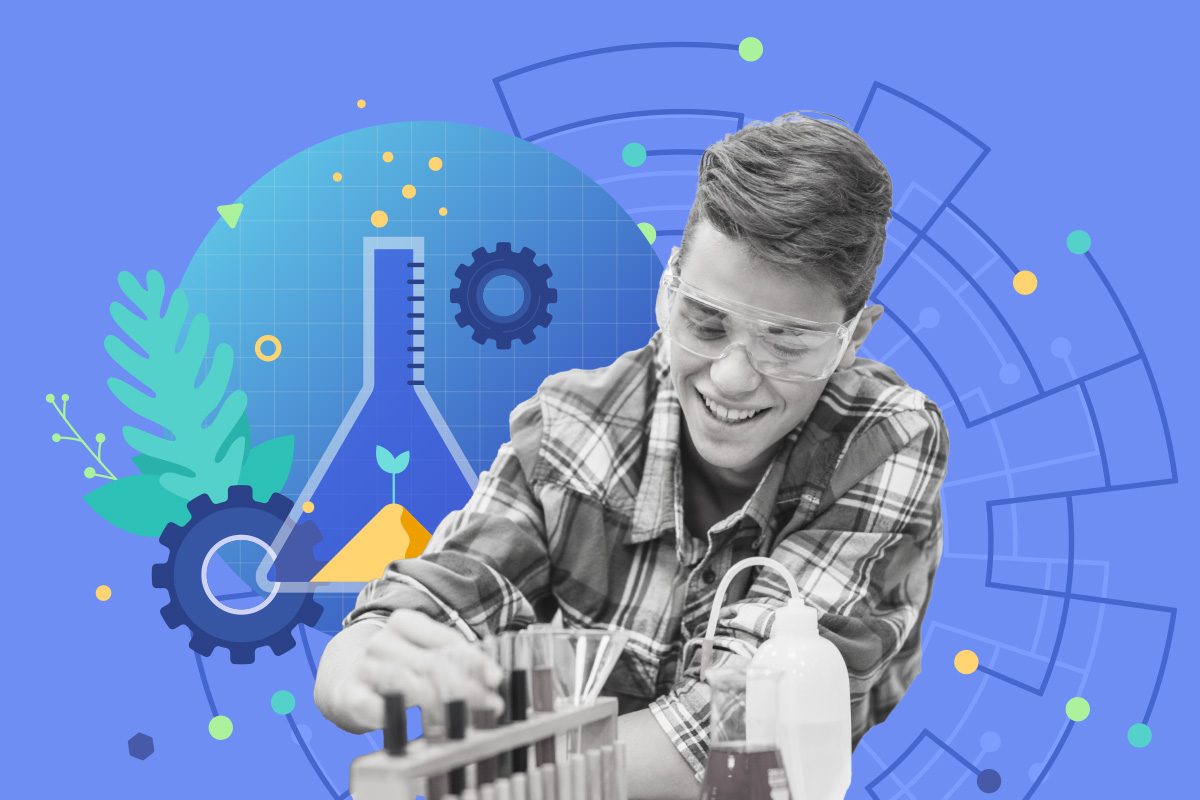
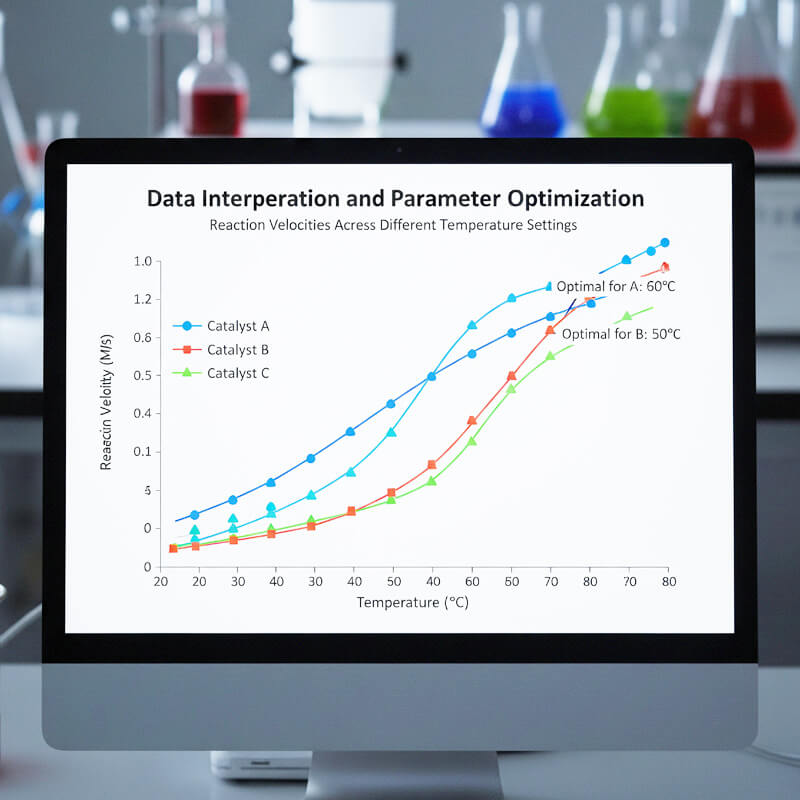
This one-day biotech intensive introduces high school students in Toronto to the science behind sustainable energy and the role of biotechnology in creating renewable fuel sources. Participants explore how enzymes catalyze the conversion of plant-based sugars into biofuel precursors, bridging molecular biology, biochemistry, and environmental innovation. Through a series of hands-on lab modules, students investigate how reaction conditions such as temperature, pH, and substrate concentration impact enzyme activity and efficiency.
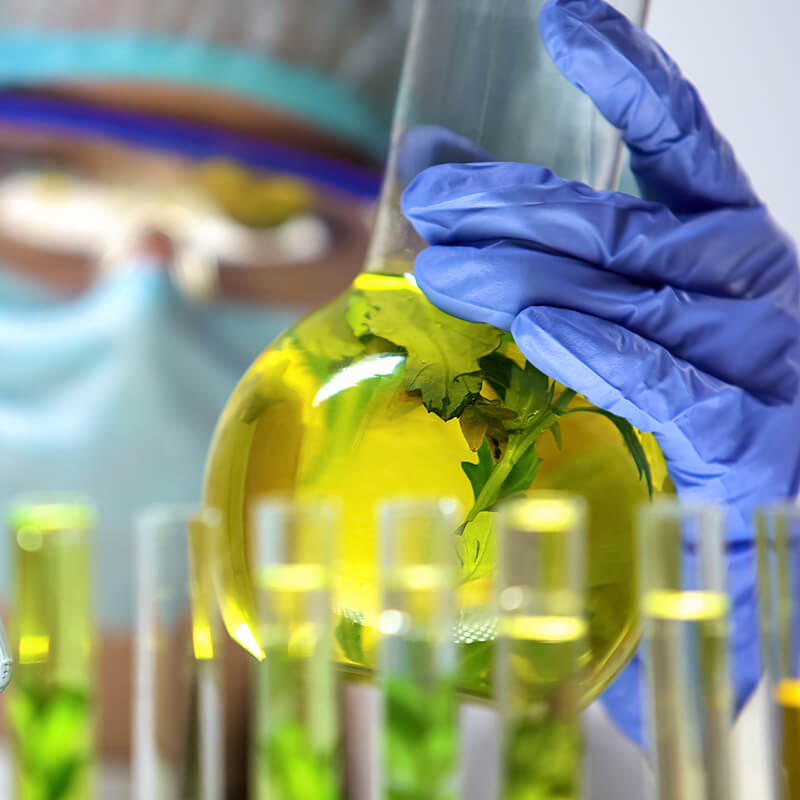
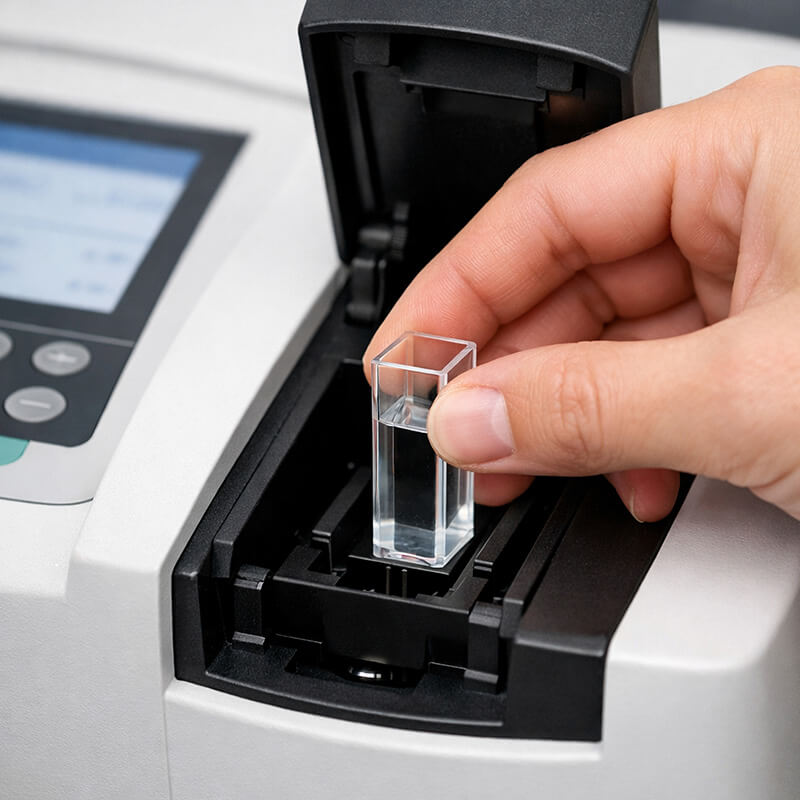
Students experiment with enzymatic breakdowns, colorimetric assays, and condition tweaks while gaining chemistry and engineering insights for a sustainable future. Developed by Metro Prep’s GENIUS Biotechnology Program, this workshop provides unparalleled access to Toronto’s elite high school biotech space, stocked with spectrophotometers, incubators, and enzyme kits.
No prior knowledge required. Bring your eco-passion and experimental spirit and we’ll gear you up for biofuel innovation!







Absolutely. While an interest in science is helpful, no prior laboratory experience or advanced biology knowledge is required. Our instructors guide students step-by-step through each technique, explaining the scientific concepts in an accessible and engaging way.
Students should bring a packed lunch (for full-day workshops), a water bottle, and a notebook for taking notes. All laboratory equipment, safety gear, reagents, and materials are provided. Students will wear lab coats and safety goggles supplied by Metro Prep.
All workshops take place at Metro Prep’s GENIUS Biotechnology Laboratory in midtown Toronto (North York). The facility is easily accessible by TTC (subway and bus routes nearby) and offers street parking for drop-off and pick-up. Detailed directions will be provided upon registration.
Yes. While students use professional equipment, all biological materials are non-pathogenic and safe for educational use. Students are trained in proper safety protocols, including the use of Personal Protective Equipment (PPE) like gloves and safety goggles, which are provided.
Students explore how biotechnology can help solve energy challenges by converting plant biomass into renewable fuels. They investigate enzyme-driven reactions that break down cellulose and optimize conditions for biofuel production, connecting lab work to real-world environmental solutions.