Limited Time. Receive Free After-Care for All Camps. Code FREEAFTERCARE.
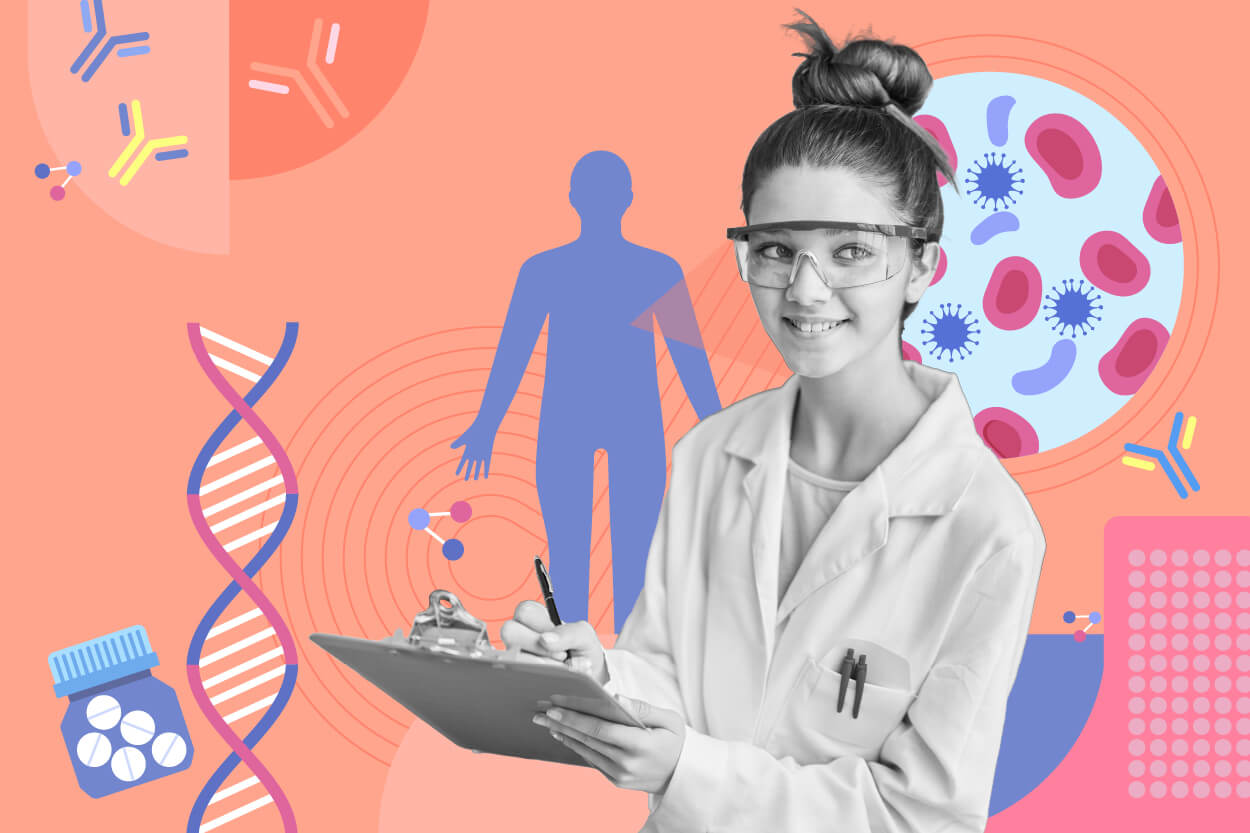
This one-day biotech intensive offers high school students in Toronto a dynamic introduction to the science of medical diagnostics and infectious disease detection. Participants dive into real-world laboratory techniques used in hospitals, research centers, and public health institutions to identify disease biomarkers and track outbreaks. Through interactive modules, students explore how rapid antigen tests, immunoassays, and large-scale surveillance systems work to inform clinical decisions and shape public health responses.
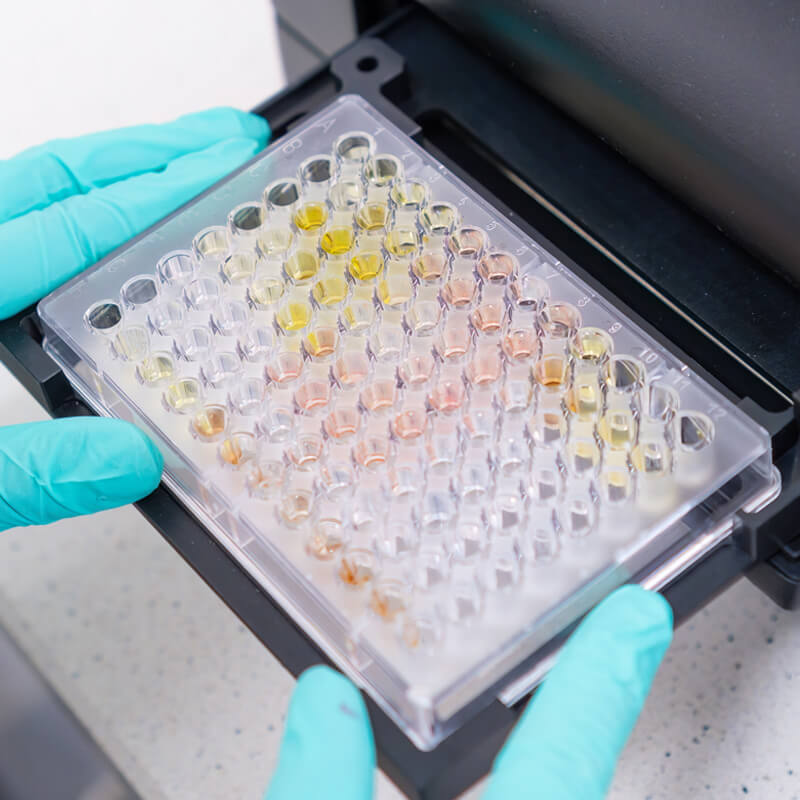
Students perform hands-on experiments in Metro Prep’s GENIUS Biotechnology Laboratory, a state-of-the-art facility equipped with professional-grade tools like pipettes, plate readers, and diagnostic kits. Designed by Metro Prep’s GENIUS Biotechnology Program, this workshop provides unparalleled access to Toronto’s elite high school biotech space. Participants follow full diagnostic workflows, including setting up enzyme-linked immunosorbent assays (ELISA), analyzing test results, and interpreting data in a clinical context. They gain experience using the same methods employed by scientists worldwide to detect infections and monitor immune responses.
No prior knowledge is required. Bring your curiosity, problem-solving mindset, and passion for science to explore how biotechnology shapes the future of healthcare! Ideal for those interested in the future of medicine and healthcare.









Absolutely. While an interest in science is helpful, no prior laboratory experience or advanced biology knowledge is required. Our instructors guide students step-by-step through each technique, explaining the scientific concepts in an accessible and engaging way.
Students should bring a packed lunch (for full-day workshops), a water bottle, and a notebook for taking notes. All laboratory equipment, safety gear, reagents, and materials are provided. Students will wear lab coats and safety goggles supplied by Metro Prep.
All workshops take place at Metro Prep’s GENIUS Biotechnology Laboratory in midtown Toronto (North York). The facility is easily accessible by TTC (subway and bus routes nearby) and offers street parking for drop-off and pick-up. Detailed directions will be provided upon registration.
Yes. While students use professional equipment, all biological materials are non-pathogenic and safe for educational use. Students are trained in proper safety protocols, including the use of Personal Protective Equipment (PPE) like gloves and safety goggles, which are provided.
No. Students use simulated patient samples that are safe and non-infectious. The ELISA techniques and diagnostic principles are authentic and mirror real clinical laboratory workflows, but all materials are designed for educational use.