Limited Time. Receive Free After-Care for All Camps. Code FREEAFTERCARE.

Techniques in Genetic Engineering Workshop

Engineer life's building blocks as this intensive is your gateway to genetic innovation!

This one-day biotech intensive introduces high school students to the core techniques of modern genetic engineering and recombinant DNA technology. Participants explore how scientists manipulate DNA to create new biological tools, develop gene therapies, and design synthetic organisms. Through a series of hands-on laboratory modules, students learn the foundational principles behind DNA cutting, separation, and analysis: skills critical to careers in biotechnology, synthetic biology, and molecular research.

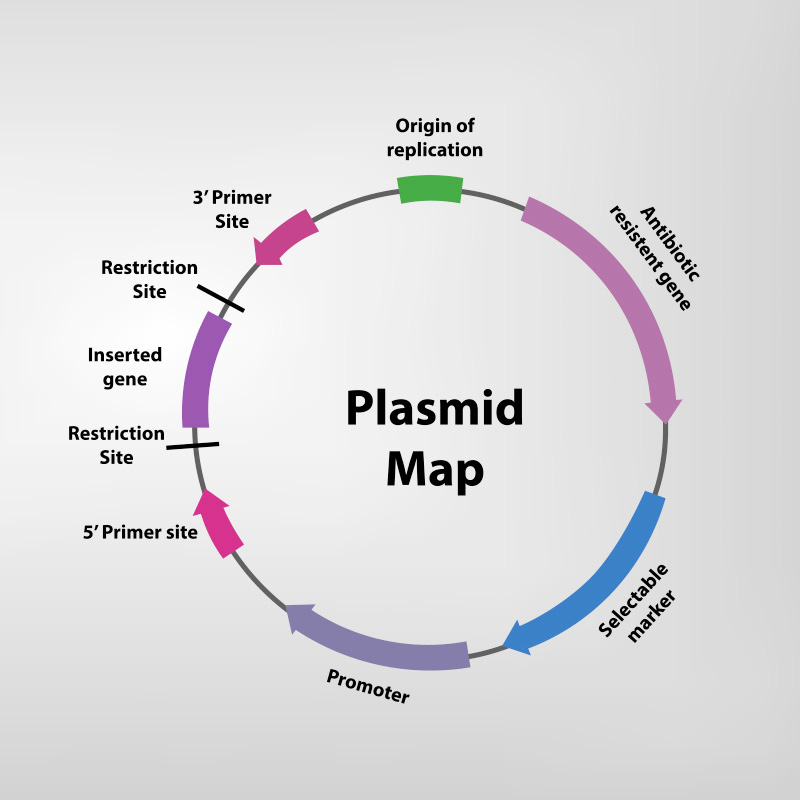
Designed by Metro Prep’s GENIUS Biotechnology Program, this workshop offers unmatched access to Toronto’s most advanced youth biotech facility. Participants perform restriction enzyme digestions, run gel electrophoresis to separate DNA fragments, and use their results to create restriction maps. These steps mirror the real-world processes used in plasmid engineering, gene cloning, and recombinant DNA design.

No engineering experience needed. Just arrive with creativity and precision and we’ll provide the lab essentials to build your skills.
Details & Registration
Available Sessions
Spaces are limited and filling fast. Register now to secure your spot!
Mar 6, 2027 $195 Register

Laboratory Modules and Techniques Covered

Restriction Enzyme Digestion

Students perform precise DNA cleavage using restriction enzymes, emphasizing enzyme specificity and reaction setup.

Electrophoretic Fragment Analysis

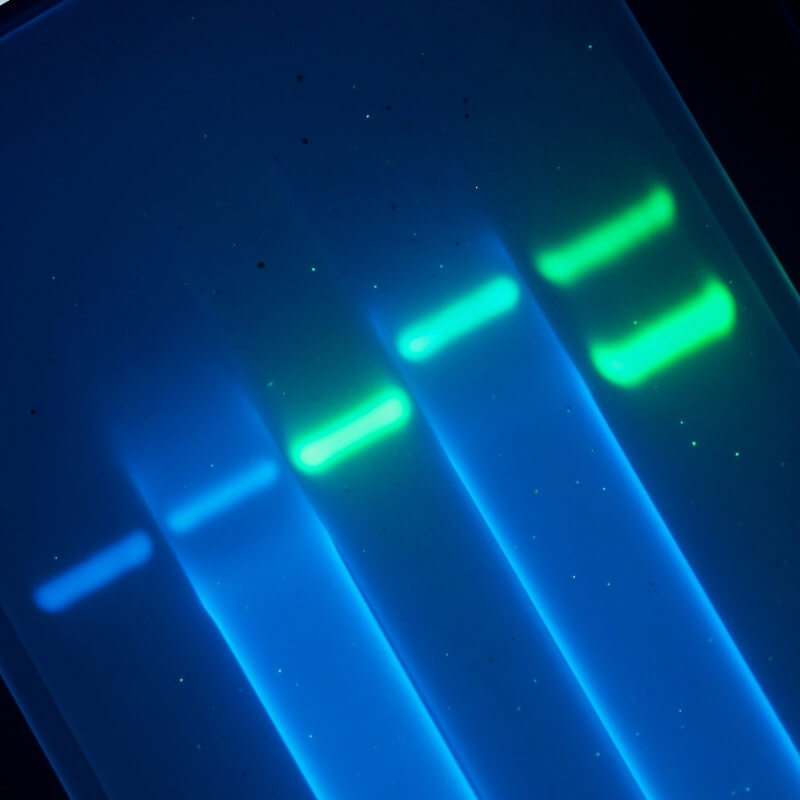
Digested DNA fragments are separated by size using agarose gel electrophoresis to visualize DNA fragment patterns.

Restriction Mapping and Data Analysis

Participants construct simple restriction maps to plan experimental strategies for plasmid construction and recombinant DNA workflows.

Master Genetic Engineering

Restriction Enzyme Digestion

Students perform precise DNA cleavage using restriction enzymes, emphasizing enzyme specificity and reaction setup.

Electrophoretic Fragment Analysis

Digested DNA fragments are separated by size using agarose gel electrophoresis to visualize DNA fragment patterns.

Restriction Mapping and Data Analysis

Participants construct simple restriction maps to plan experimental strategies for plasmid construction and recombinant DNA workflows.

Resolution and Visualization

The physics of DNA migration through porous matrices.

Master Genetic Engineering

Icon

Enzymology

Mechanism of action for Type II restriction endonucleases.
Icon

Molecular Topology

Distinguishing between linear, circular, and supercoiled DNA conformations.
Icon

Vector Design

Principles of plasmid construction and recombinant DNA assembly.
Icon

Resolution and Visualization

The physics of DNA migration through porous matrices.
Icon

Data Interpretation

Fragment size estimation with the aid of a molecular marker.

Learning Objectives

By the end of the workshop, students will be able to:
  • Execute restriction enzyme digests with accuracy and reproducibility.
  • Operate agarose gel electrophoresis equipment and interpret fragment patterns.
  • Construct and analyze simple restriction maps to plan DNA manipulation experiments.
  • Understand how restriction mapping informs plasmid construction and recombinant DNA workflows.

Ready to get started?

Spaces are limited. Register now to secure your spot!

Frequently asked questions

Absolutely. While an interest in science is helpful, no prior laboratory experience or advanced biology knowledge is required. Our instructors guide students step-by-step through each technique, explaining the scientific concepts in an accessible and engaging way.

Students should bring a packed lunch (for full-day workshops), a water bottle, and a notebook for taking notes. All laboratory equipment, safety gear, reagents, and materials are provided. Students will wear lab coats and safety goggles supplied by Metro Prep.

All workshops take place at Metro Prep’s GENIUS Biotechnology Laboratory in midtown Toronto (North York). The facility is easily accessible by TTC (subway and bus routes nearby) and offers street parking for drop-off and pick-up. Detailed directions will be provided upon registration.

Yes. While students use professional equipment, all biological materials are non-pathogenic and safe for educational use. Students are trained in proper safety protocols, including the use of Personal Protective Equipment (PPE) like gloves and safety goggles, which are provided.

Students learn foundational techniques used in biotechnology labs worldwide: how to cut DNA with restriction enzymes, separate fragments by gel electrophoresis, and construct restriction maps. These skills are essential for plasmid design, cloning, and recombinant DNA work.